
The Best Time to Book an India Tour Package: A Month-by-Month Guide for Overseas Travelers
Planning an India trip from the other side of the planet, the question people get stuck on is not where. It is when. India’s weather and its festival calendar swing hard from region to region and month to month, and a decision made six months out looks very different from one made three weeks out. If you are booking from the US, or you are an NRI trying to line up a visit with the family, this is the timing advice we actually give on the phone.
India does not have one climate
A region that is perfect in January can be unbearable by June, and the reverse holds too. Generic “best time to visit India” advice fails for exactly this reason. Match the month to the place, not the country.
Rajasthan and the north: winter, full stop
If the Golden Triangle is on your list (Delhi, Agra, Jaipur), book October through March. That is the only window with daytime highs in the 60s to mid-70s°F. November and February are our favourites. Heat builds fast from April, and by May and June it regularly passes 105°F; smaller attractions shut or run shorter hours. Yes, a June tour is cheaper than a January one. In our experience the saving almost never justifies the discomfort.
Kerala: after the monsoon
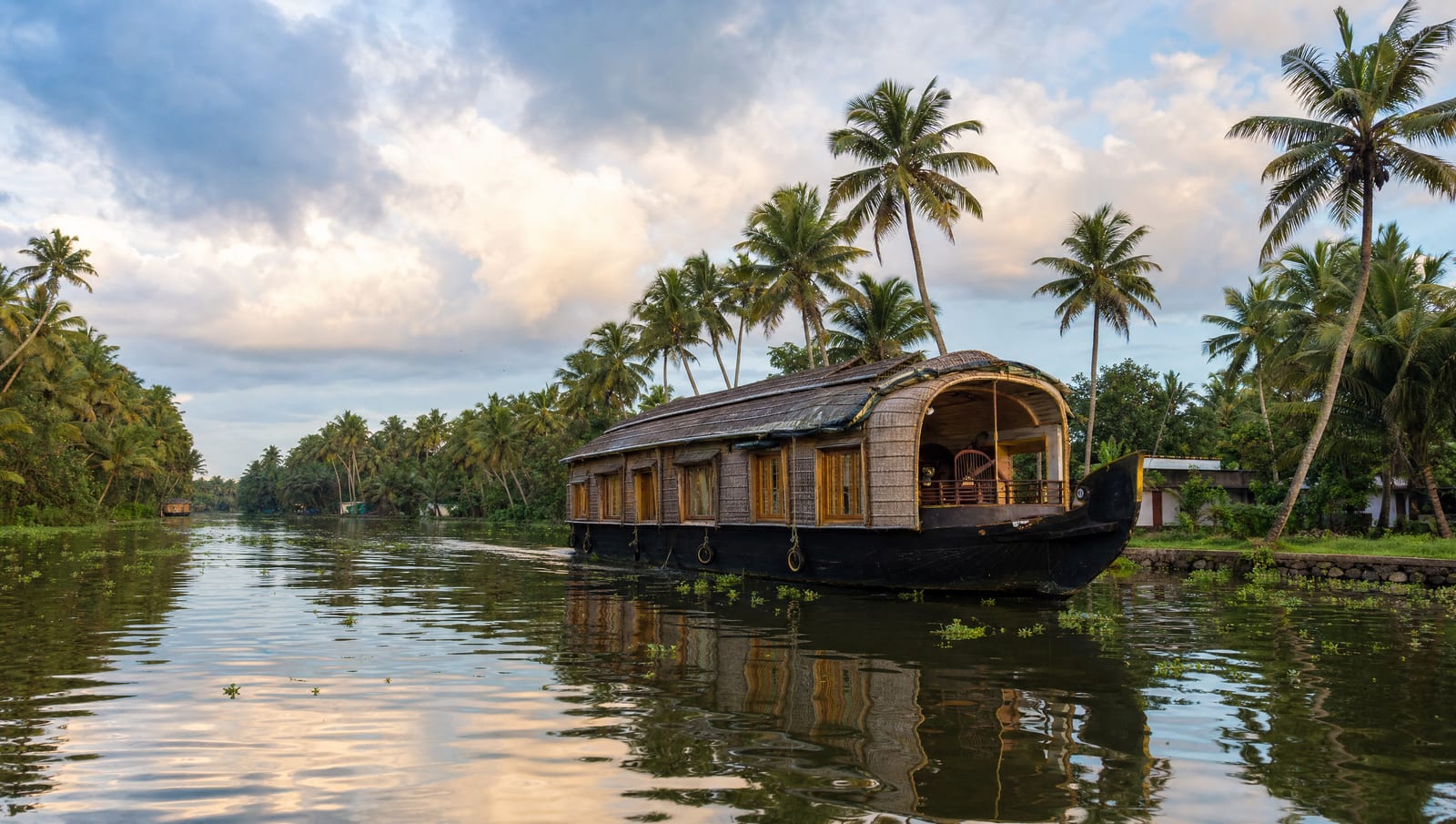
The monsoon winds down around mid-September, and by October the backwaters, beaches and hill stations are green and calm. October through February gives you clear skies and still water for the houseboat day. The monsoon itself (June to September) is lush and beautiful, but waterlogged roads, cancelled flights and reduced sightseeing hours make it a gamble for anyone on a fixed international schedule. March to May turns hot and sticky.
The Himalayas: a short, sharp season
Ladakh, Kashmir and the Himachal hill stations open fully only from June through September. The high passes clear by late May. July and August are peak, so crowds and higher prices. September is quieter and the weather still holds. Winter closes the high roads and most of the lodges. If trekking is the point of your trip, book four to six months out; good guides and rooms go early.
Festivals: worth planning around, sometimes
Diwali (October or November, it moves) turns whole cities into light shows. It is worth timing a trip for if it means something to you, and it will cost you: higher package prices, crowded trains, and hotels full for two to three weeks either side. Book five to six months ahead.
Holi (February or March) is the colour festival. If you are travelling in that window anyway you will probably run into it. If you specifically want to be in Mathura or Jaipur on the day, you need to be booked by August.
The Pushkar camel fair (October or November) in Rajasthan pulls big crowds and pushes prices up. Plenty of our clients have had a better Rajasthan trip in the weeks around the fair than during it.
Our view: a festival is a reason to travel if you personally care about it. It is not a requirement. India is remarkable year-round in the right places, so don’t force yourself into a peak-season window just because it is famous.
How far ahead should a US traveller book?
Distance and visa processing change the maths.
Flights: six to eight weeks ahead gets you a fair fare. Booking further out than 10 to 12 weeks rarely saves money. Direct flights from the major US cities to Delhi or Mumbai are competitive; one-stop routings are cheaper but add hours.
Tours and hotels: for peak season (October to February) lock the package three to four months out. Off-season (June to August) can usually be booked four to six weeks ahead with no price penalty.
Visa: give the e-Visa two to four weeks, even though approval often comes in days. Do not buy non-refundable flights before it is approved.
Leave: if you are salaried, get the time off confirmed four to five months ahead. Retirees and flexible NRIs have far more room to move.
The booking windows
If you are deciding now when to travel in 2026:
December to February is peak across North India. Book flights by late August or early September, lock the package by late September, and expect premium pricing.
March and April are pleasant but warming. Flights by late December; the package can wait until January. Fewer crowds, moderate prices.
May to July is low season, especially in the north. Flights in March or April are fine. Packages are discounted. The catch is plains heat and monsoon risk on the coasts.
August and September are shoulder months. Flights four to six weeks out. The mountains open up; the plains stay hot.
October and November are post-monsoon and pre-peak. This is usually the best value window in the whole year. Flights six to eight weeks out (so by mid-August), and packages have good availability at fair prices.
Three questions before you touch a calendar
Where do you most want to go? That sets the season. North India means winter. Mountains mean June to September. The south is best in September to November or March to April if you want to dodge the crowds.
Can you travel outside peak? If yes, you will save 20 to 40% on hotels and tours and share the monuments with far fewer people. March to April and September to October are the shoulder seasons and they consistently give the best experience for the money.
How fixed are your dates? Rigid dates mean book the flights early. Flexible dates mean you have leverage on the package price, and we will use it for you.
Getting a quote
Once you have a region and a season, ask for a custom quote. India packages vary wildly with group size, hotel category and travel style. We quote in INR and you can convert at the day’s rate.
Send us your preferred season, regions and rough dates, and tell us whether it is a solo trip, a family, or a larger group. We will come back with a timeline and a cost breakdown built for that.
The best time to book is the moment you have matched the season to the place and know your visa timeline. After that the only thing that changes is the price, and it usually goes up.


 contact@myglobaltrip.com


