
Golden Triangle, Kerala or Rajasthan? Picking the India Tour Package That Fits Your Family
Three routes keep coming up. Here is how they differ.
Ask relatives in India, ask a travel forum, ask us: the same three names come back for a family trip. The Golden Triangle, Kerala, and Rajasthan. They are popular for good reasons, and the reasons are different for each one. So the question is not which is “best”. It is which one fits your family, your number of days, and what you want a 7-year-old or a 72-year-old to remember afterwards.
There are trade-offs. A slower pace means fewer sights. A shorter trip means one region, not two. And what works for a kid who wants a camel ride rarely works for a grandparent with a bad knee. Let’s go through them.
Golden Triangle: the classic five to seven day dash
Delhi, Agra, Jaipur. The default first India trip, and the one most US families with limited leave end up choosing. It is compact, it is famous, and it fits inside a long week.
What you see
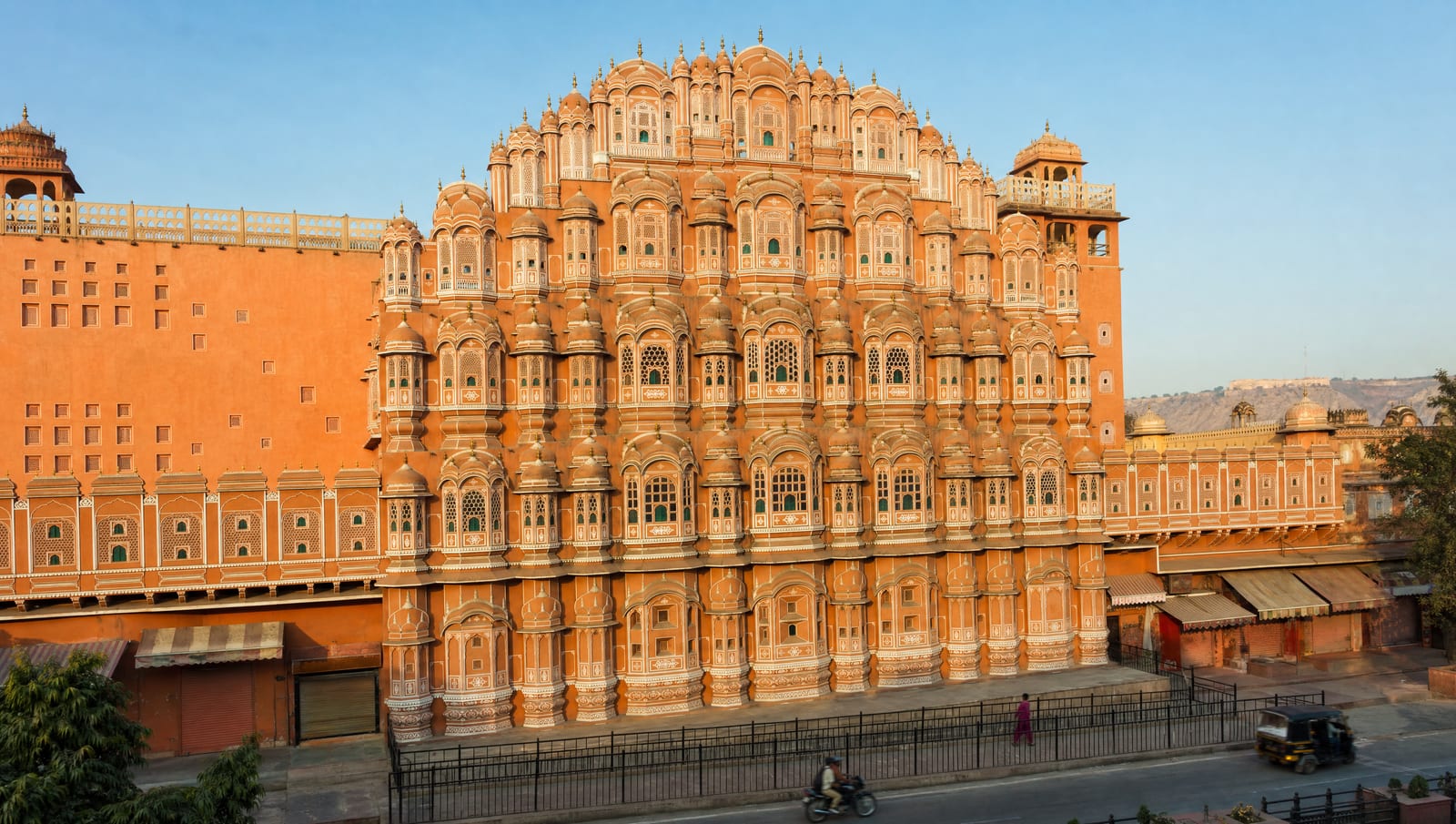
In Delhi: the Old Delhi bazaars, Red Fort, Raj Ghat, and the wide boulevards of New Delhi. In Agra: the Taj Mahal (go at sunrise, no exceptions), Agra Fort, and Fatehpur Sikri if there is time. In Jaipur: City Palace, Jantar Mantar, Hawa Mahal, the bazaars, and a camel ride if the kids ask.
Pace
Roughly two days in Delhi, one or two in Agra, two in Jaipur, plus the drives. You move every day or two. If anyone in the group tires quickly, this rhythm can feel like a lot.
Who it suits
Kids aged 8 and up, teenagers, adults who like history and big monuments, and anyone on a first visit. NRI parents bringing US-born kids usually start here because it is iconic and manageable. Mobile grandparents do fine. Grandparents who like a slower morning may feel hurried.
Food
Delhi and Jaipur eat well, from street chaat and samosas (wash hands after) to sit-down Punjabi and vegetarian places. Agra’s restaurant scene is thinner and leans touristy. Pack antacids for anyone new to the spice level.
Weather
October to March is ideal. April to June is very hot, 40 to 45°C (104 to 113°F). July to September is monsoon: fewer tourists, but rain interrupts the sightseeing. Skip May and June if anyone struggles with heat.
Kerala: the slow tropical one, seven to ten days
Kerala in the southwest is India’s gentle option. Backwaters, beaches, spice hills and a lot of green replace the forts and tombs. It is less about ticking off sights and more about being somewhere.
What you see
A houseboat cruise through the backwater lagoons and palm-lined canals (this is the bit everyone talks about for years). Fort Kochi’s colonial streets and Varkala’s cliff beach. Cardamom and pepper plantations you can walk through near Thekkady. Periyar National Park for elephants and a bit of trekking.
Pace
Seven to ten days, two or three nights in each place. No rushing. The houseboat day is essentially motionless: you float, you eat, and the paddy fields slide past. Families who want downtime love it. So do seniors who need the slower rhythm.
Who it suits
Young kids (calmer pace, easier activities), couples, elderly relatives, and anyone who gets overwhelmed by constant movement. NRI grandparents often pick Kerala because it feels restful and sightseeing is not “work”. Teenagers can find it slower than they expected unless they are into wildlife and water.
Food
Seafood, coconut curries, rice and appams. The flavours are layered but gentler than the north. Plenty of restaurants at every level. If anyone has a shellfish allergy, tell your operator at booking, not at the table.
Weather
October to March is the window: cool and dry. June to September is monsoon, lush but wet and unreliable for travel. April and May are hot and humid, 32 to 35°C (90 to 95°F), but manageable. December and January are peak; book early and expect higher prices.
Rajasthan: forts, palaces and desert, seven to ten days
Rajasthan in the northwest is India’s most theatrical region. Palaces on lakes, forts on cliffs, sand dunes, and a lingering sense of old royalty. A Highlights of Rajasthan tour package usually covers Jaipur, Udaipur and Jodhpur, with Pushkar or Jaisalmer added when there is time.
What you see
Jaipur’s Hawa Mahal, City Palace and bazaars. Udaipur’s Lake Palace, Jagdish Temple and a sunset boat ride on Lake Pichola. Jodhpur’s Mehrangarh Fort, which has the best view in the state, and the blue lanes of the old city below it. Optionally the Pushkar camel fair in November or a camel safari out of Jaisalmer.
Pace
You move every two or three days, by car or train. Moderate: not the Golden Triangle sprint, not the Kerala float. The train legs between cities are half the fun for kids.
Who it suits
Families who want scenery, history and a bit of adventure. Kids from about 6 enjoy the camels and the forts. Teenagers tend to love how it looks. Seniors manage well if they are comfortable with moderate walking; the desert heat is hard on anyone with a heart condition, so watch the month.
Food
Hearty and distinctive: dal baati churma, ker sangri, gatte ki sabzi. Spicier than Kerala, milder than some of the Punjabi cooking up north. Jaipur and Udaipur have excellent restaurants; the smaller towns are simpler.
Weather
October to March is ideal, with days at 15 to 25°C (59 to 77°F) and crisp nights. April to June is very hot, 40 to 45°C (104 to 113°F), and genuinely hard on young kids and older relatives. July to September is monsoon and the roads suffer. December is perfect and it is peak, so book well ahead.
Bringing US-born kids to India for the first time
If you are an NRI parent showing American children where the family comes from, the route choice does a lot of work. The Golden Triangle is the fastest reintroduction. Kerala is the gentlest, and often the one the kids talk about most (houseboat, elephants, less noise). Rajasthan sits in between: visual drama and adventure without a monument marathon.
With 10 to 12 days, combine two. Four days on the triangle plus six in Kerala is the most common split we build. Five in Rajasthan plus five in Kerala is the other. Kids get variety, and nobody hits the wall on day eight.
Side by side
Golden Triangle: 5 to 7 days, fast pace, monuments, best for teens and adults, October to March, avoid April to June for heat.
Kerala: 7 to 10 days, slow pace, nature and rest, best for young kids and seniors, October to March, humid in summer.
Rajasthan: 7 to 10 days, moderate pace, forts and desert, best for kids 6+ and anyone who wants a bit of adventure, October to March, extreme heat April to June.
How to decide
- How many days do we actually have, door to door?
- Does anyone have mobility, heat or stomach concerns?
- Monuments and history, or nature and rest?
- What will the kids (or the grandparents) still be talking about a year later?
- Which month?
There is no wrong answer here. Most families end up choosing on energy and time rather than on which route is objectively better, and that is the right way round. The details matter more than the route anyway: which hotel, how good the guide is, whether the driver is patient, whether the kitchen can handle a nut allergy. That is where an operator who does family travel every week earns their fee.
Want help narrowing it down? Tell us about your family, your dates and your worries and we will put a package together that fits.


 contact@myglobaltrip.com


